
Where should a porta potty go on a job site?
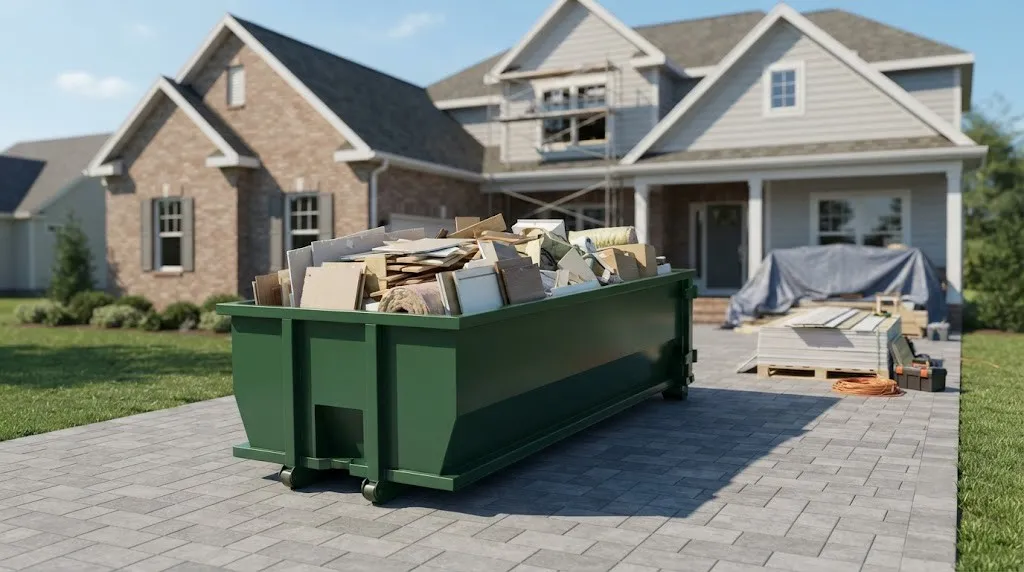
Put it close to the work but out of the path of equipment. A standard unit runs about 44 by 48 inches on the ground and stands 92 inches tall, so give it a clear footprint plus room for the service door to swing open. On a construction site that means checking construction site services requirements before delivery day, not after. We also look at OSHA portable toilet requirements for worker counts under OSHA 1926.51(c)(1): one toilet for 20 workers or fewer, then a toilet and a urinal per 40 workers as crews scale up. Keep units on firm, level ground. ADA Standards section 302.1 calls for stable, slip-resistant surfaces, and that rule is worth following even where accessible units are not required, because a unit that rocks or sinks into mud gets flagged and pulled. If you are placing near a dumpster too, remember a roll-off delivery needs about 60 feet of straight clearance behind the truck, so plan both drops together instead of boxing yourself in. See our porta potty rental checklist for the full walkthrough.
Are there placement rules for accessible units?
Yes. Where you cluster multiple single-user units, ADA Standards section 213.2 requires at least 5 percent to be accessible, with a minimum of one no matter how small the cluster. That accessible unit needs a 60 inch turning circle inside per section 304.3.1, a door opening of at least 32 inches per section 404.2.3, and a 36 inch clear approach route per section 403.5.1. Reach ranges matter too: section 308.2.1 sets a 48 inch high, 15 inch low limit, and section 309.4 says door hardware needs to open with one hand and no more than 5 pounds of force. If there is a ramp involved, section 405.2 caps the slope at 1:12. Our ADA accessible porta potty page breaks down unit specs, and ADA restroom requirements covers the full standard if your event or site in Everett draws a mixed crowd. Pair this with a handwashing station rental nearby, since 29 CFR 1910.141(d)(2) requires soap and towels or a hand-drying device at any wash station, not sanitizer alone.
Does dumpster placement need a permit in Everett?
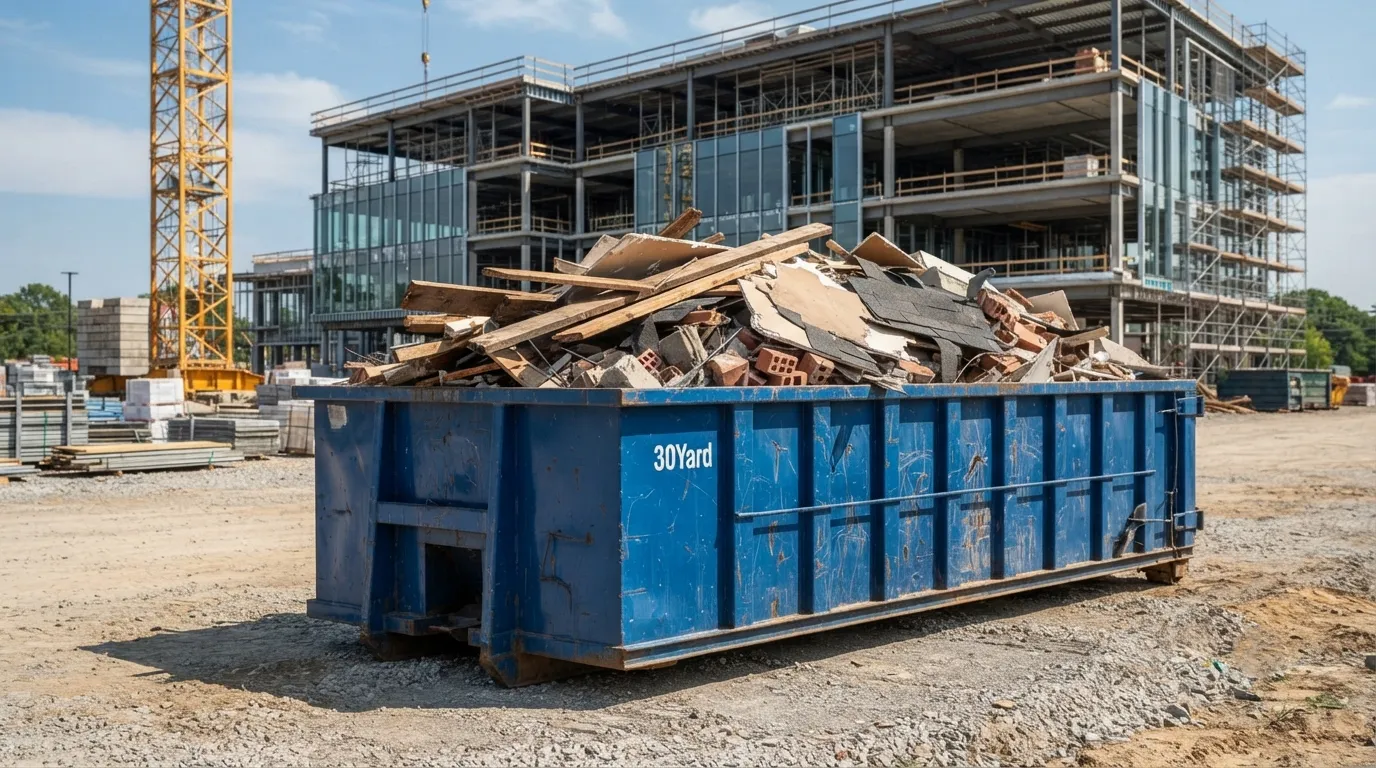
It depends on where the container sits. If the roll-off lands entirely on private property, most cities skip the permit step, but placement in the public right of way, on a street or sidewalk, usually needs sign-off. That part is not verified for Everett specifically, so confirm current dumpster placement permit cost and process with the city before you commit to a curbside spot. Budget the delivery either way: our dumpster rental cost page lays out day, week and month pricing, and dumpster permit requirements walks through what to ask the city. Whatever size you land on, from a 10 yard dumpster rental up to a 40 yard dumpster rental, check dumpster sizes and dimensions against your driveway or lot width first, and keep what cannot go in a dumpster in mind so the load does not get rejected at the tipping floor.
Where should septic and storage equipment sit on site?
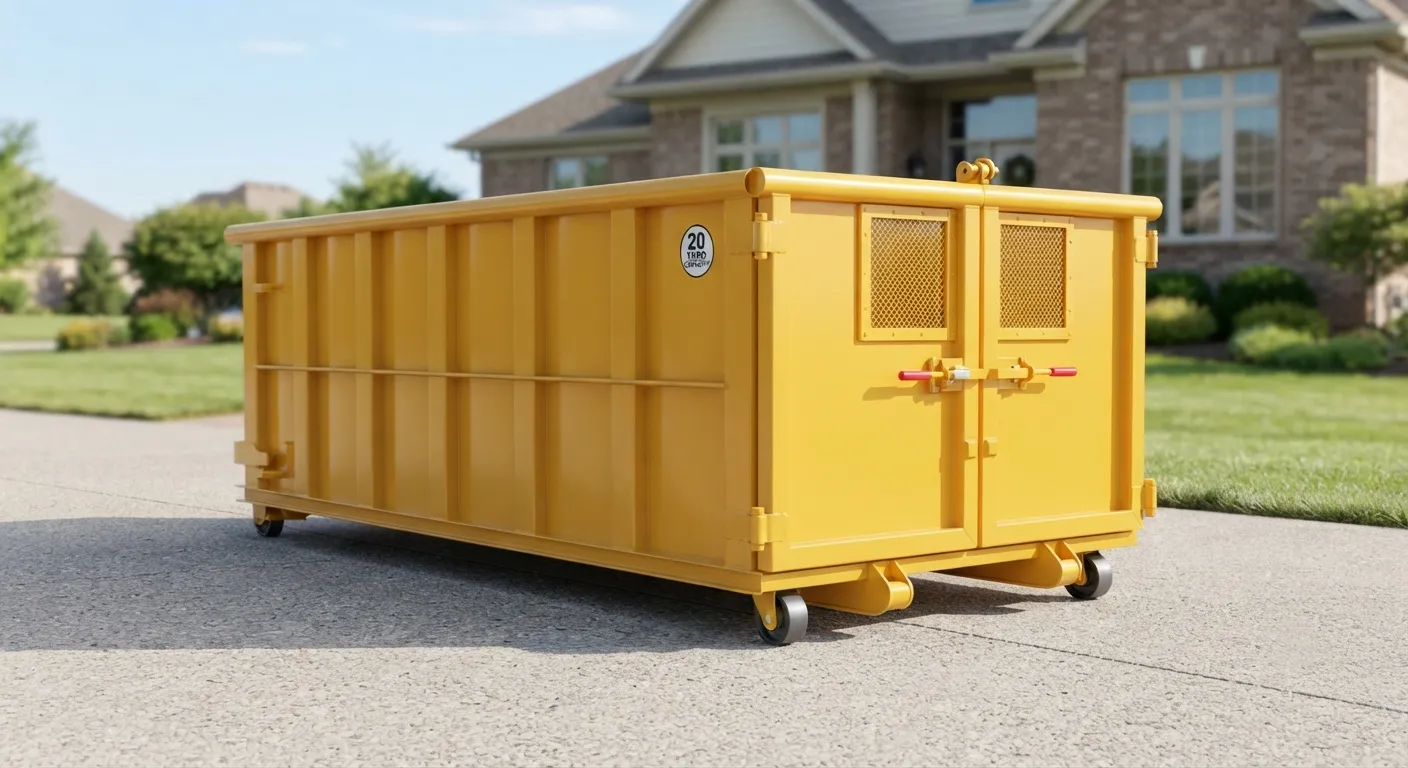
Septic access and storage placement follow the same logic as toilets: clear path in, clear path out. A residential septic tank is typically pumped every 3 to 5 years depending on tank size and household use, so leave the lid area unblocked by fencing, containers or parked equipment long term. If you are scheduling a septic pumping service or a one-off septic tank pumping cost job, tell us where the truck will stage. The same applies to a grease interceptor, which gets pumped once fats, oils, grease and solids build up to 25 percent of the liquid depth. That is standard whether you are running a restaurant kitchen in Everett or handling a septic pumping service call further out. For storage, a storage container rental or mobile office trailer rental needs solid, level ground and enough swing room for the doors, and if a door gets damaged on-site, mobile office trailer replacement doors are not something we stock on every unit, so ask before you sign. Ring temporary fence rental around the whole staging zone if the site sees foot traffic, check temporary fence cost alongside your other rentals so the budget lines up, and if you are running a portable sink rental on the same site, ask about ozark river portable sink replacement parts before an older unit goes down mid-job. A crew handling a placercille septic pumping service run nearby follows the same staging logic, truck access first, everything else second. Lake Stevens sits 6.3 miles northeast of Everett and Marysville is 11.9 miles north, both inside our normal delivery radius, so placement planning works the same whether the site is downtown or just outside city limits.
| unit | duration | typical price |
|---|---|---|
| standard | day | $150 |
| standard | week | $200 |
| ada | day | $230 |
| dumpster | week | $600 |
Frequently asked questions
How far from the building should a porta potty sit?
Close enough for workers to reach fast, far enough that the service truck can pull up without backing through the site. Aim for a flat spot near the entrance path. If ground slopes or space is tight, call ahead so we can plan the exact spot before the truck arrives in Everett.
Can porta potties sit on pavement or asphalt?
Yes, pavement and asphalt both work well since they are stable and drain better than dirt. Avoid soft grass or slopes where a unit can tip. ADA Standards section 302.1 calls for stable, slip-resistant ground, which paved surfaces usually satisfy without extra work.
What clearance does a service truck need?
Give the truck a straight approach and about 10 feet of open space at the unit itself. Roll-off deliveries need roughly 60 feet of clearance behind the truck. Tight alleys or narrow lots in Everett should be flagged when you book so we bring the right size vehicle.
Do I need a permit to place a porta potty on the street?
Maybe. Placement entirely on private property usually needs no permit, but curbside or right-of-way placement often does. This is not confirmed for Everett, so check with the city before delivery day, especially for events using public streets or sidewalks.
How do I place units for an accessible event?
Cluster them with at least one accessible unit per group, per ADA Standards section 213.2. Give that unit a 60 inch turning circle, a 32 inch door and stable ground. Keep the accessible unit on the same level path as the rest, not off on a separate incline.
Next step
Get a delivery date
Tell us the address, the dates and the headcount. We size the order and confirm the route.