
How many restrooms does a county fair need?
Fair crowds are trickier than a single-shift job site. Attendance swings by hour, by weather, by whatever is on the midway stage that afternoon. Start with the OSHA baseline for your paid staff and vendors: 1926.51(c) sets 1 toilet per 20 workers on site. Then layer in guest units separately, because fairgoers are not covered by that ratio and undercounting them is the fastest way to get a line at the fence line by noon. Our how many porta potties do I need guide walks through the math for mixed crowds. Most multi-day county fairs in and around Everett end up running a mix of standard portable toilets for general grounds coverage and at least one ADA accessible unit per cluster, since ADA Standards 213.2 requires at least 5 percent of any clustered group to be accessible, never fewer than one. If your fair draws sponsors or a VIP tent, a deluxe flushable unit or a small restroom trailer upgrades that area without touching the general-admission count. Vendors slinging fried food and funnel cakes also need washup access; if anyone is applying coatings or handling chemicals for booth setup, OSHA 1926.51(f)(1) requires washing facilities for that specific work. For everything else, general handwashing near food areas still matters, and a bank of handwashing stations at the food court keeps lines moving and health inspectors satisfied.
Where should restrooms go on a fairground?
Restrooms belong wherever people already are: near the midway, by the grandstand, close to livestock barns, and at every parking lot entrance. Spread the units instead of stacking them in one bank, because a single restroom row at the far end of the grounds guarantees a mob and a smell complaint. Our porta potty placement guide covers ground clearance, ADA path width and slope, all of which matter more on a fairground than a flat parking lot. ADA Standards 405.2 caps ramp slope at 1:12, and Standards 403.5.1 calls for a 36 inch clear route, so any accessible unit set on grass or gravel needs a stable, firm, slip-resistant surface under Standards 302.1. A 60 inch turning circle per Standards 304.3.1 also has to fit in front of the door, which rules out shoving an ADA unit into a tight gap between food trailers. If your fair runs a beer garden or ticketed grandstand area, temporary fencing paired with crowd control barriers can section off restroom access so it serves only that zone. Livestock barns and 4-H areas tend to need their own cluster too, separate from the midway, since farm families and animal handlers move through on a different schedule than carnival-goers. If your event includes agricultural exhibits, our farm and agricultural restrooms page covers handwashing near animal areas specifically.
What does a county fair restroom package cost?
Multi-day fairs price differently than a single Saturday event, mostly because of how service frequency and unit count scale together. Here is what typically applies across a fair run, based on measured rental data:
| Unit | Duration | Typical Price |
|---|---|---|
| Standard portable toilet | event rate | $200 to $800 |
| ADA accessible unit | week | $120 to $240 |
| Deluxe flushable unit | week | $150 to $290 |
| Delivery fee | flat | $100 to $500 |
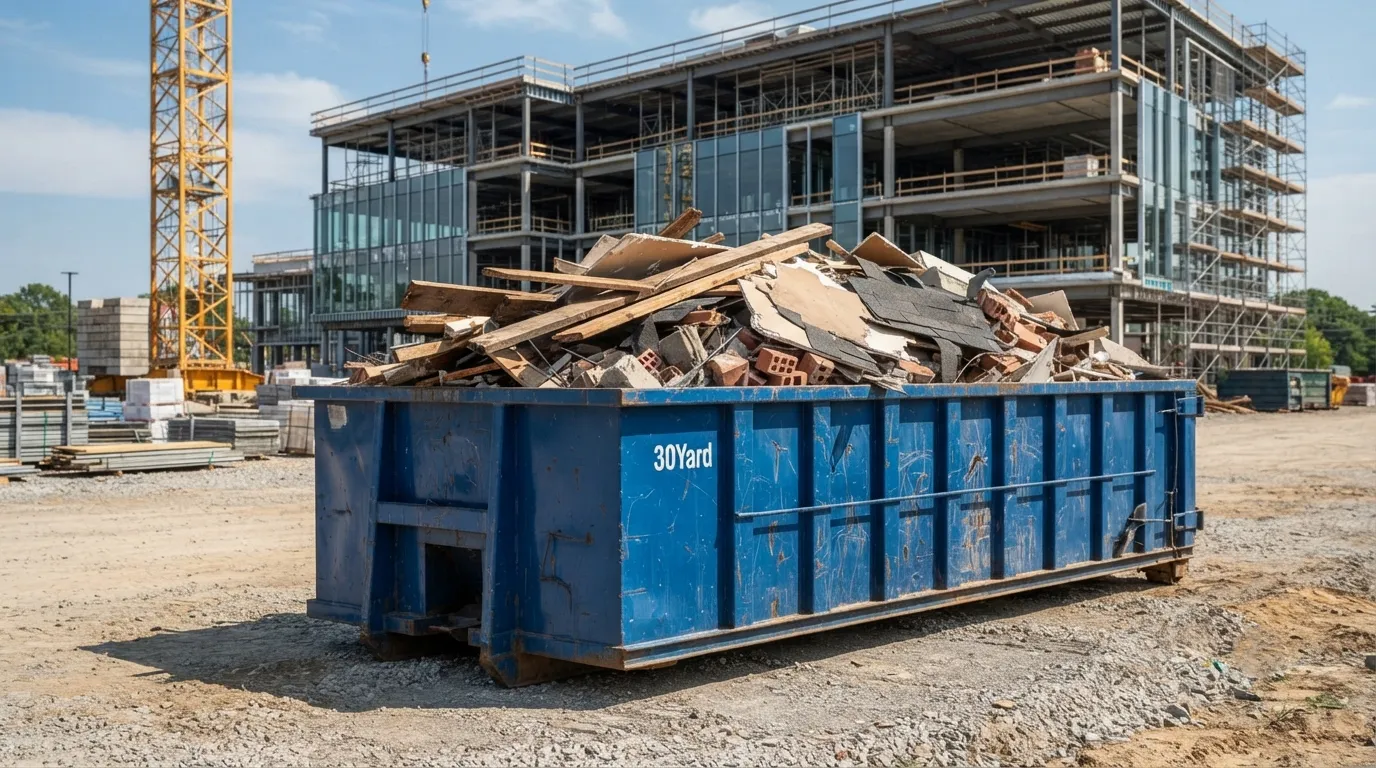
A fair spanning several days often lands closer to the event or week rate rather than a daily rate stacked per day, since ANSI/PSAI Z4.3 sets a baseline service interval of once per week for up to 10 users over a 40 hour stretch, and fair-grade traffic usually needs service more often than that baseline. Larger fairs sometimes add a restroom trailer for VIP or staff areas, and an 8 stall restroom trailer can offload real pressure from a busy grandstand zone. For full grounds coverage across a whole fair budget, our porta potty rental cost and event restroom rental pages break down pricing by scale. Everett Porta Pros also handles the trash side: a fair generates real debris volume, and a roll-off dumpster rental or two placed near food vendors keeps grounds crews from hauling bags across the whole fairground.
Frequently asked questions
Do we need a permit for restrooms at a county fair?
Placement in a public right of way or on city-permitted grounds needs confirming with Everett before delivery, since permit rules vary by site and were not verified for this page. Check our porta potty permit requirements page, or call ahead so we can plan delivery around whatever the fairground requires.
How often are restrooms serviced during a multi-day fair?
Daily service is standard for fair-level traffic, well above the once-weekly baseline in ANSI/PSAI Z4.3. High-traffic clusters near the midway or grandstand often get serviced twice a day. See how often are porta potties cleaned for what a service visit covers.
Can we get restrooms delivered the same week as the fair?
Usually yes, if grounds access is confirmed early. Roll-off and trailer deliveries need about 60 feet of straight clearance behind the truck, so tight fairground gates need a site check first. Our emergency porta potty rental page covers fast turnarounds.
What about handwashing near food vendors?
Food booths need handwashing separate from restroom units. 29 CFR 1910.141(d)(2) requires soap and towels or a hand drying device; sanitizer alone does not meet it. See handwashing station rental for setups sized to a food court.
Do you serve areas outside Everett for county fairs?
Yes. Lake Stevens sits 6.3 miles northeast and Marysville is 11.9 miles north, both within easy delivery range. Check service areas or request a quote through contact for grounds outside city limits.
Next step
Get a delivery date
Tell us the address, the dates and the headcount. We size the order and confirm the route.