
How Many Tons Does a 20 Yard Dumpster Hold?
A 20 yard dumpster rental is built for kitchen tear-outs, roofing debris, and mid-size cleanouts around Everett. Most haulers set the weight cap in the 3-ton range, though the number moves with what you're loading. Shingles and concrete debris hit that ceiling fast even in a half-full box, while bagged household junk rarely comes close. Ask about the empty weight of the container itself too. That figure matters if your job site has its own scale, and it varies by manufacturer rather than by yardage alone. If you're not sure a 20 works, check dumpster sizes and dimensions against your load before you book, and compare against the 10 yard dumpster rental if the job is smaller than you think. Renting the wrong size is the most common way Everett customers end up paying an overage charge they didn't expect. A quick call to request a quote usually settles it in a few minutes, because the person answering has heard your exact job before.
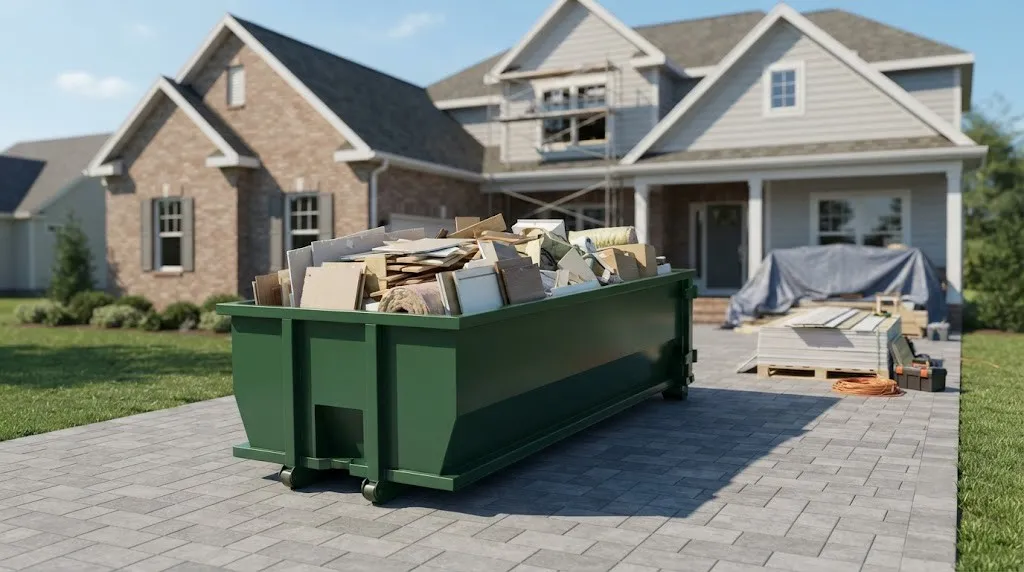
How Many Tons Does a 30 Yard Dumpster Hold?
A 30 yard dumpster rental generally holds around 4 tons, sometimes more depending on the hauler's chassis rating and axle limits. That's the box most Everett contractors reach for on whole-house cleanouts, deck demo, or a garage full of years of accumulated stuff. Heavier material changes the math fast. Dirt, brick, and roofing tear-off are dense, so a 30 yard can hit its ton limit while still looking half-empty from the top. Mixed construction debris behaves differently than yard waste, so check what cannot go in a dumpster before you start filling it, since certain materials add weight risk or aren't allowed at all. If your project sits right on the edge between sizes, the 40 yard dumpster rental might actually cost less than paying overage on a 30. Pricing detail lives on dumpster rental cost, and it's worth reading before the container lands in your driveway.
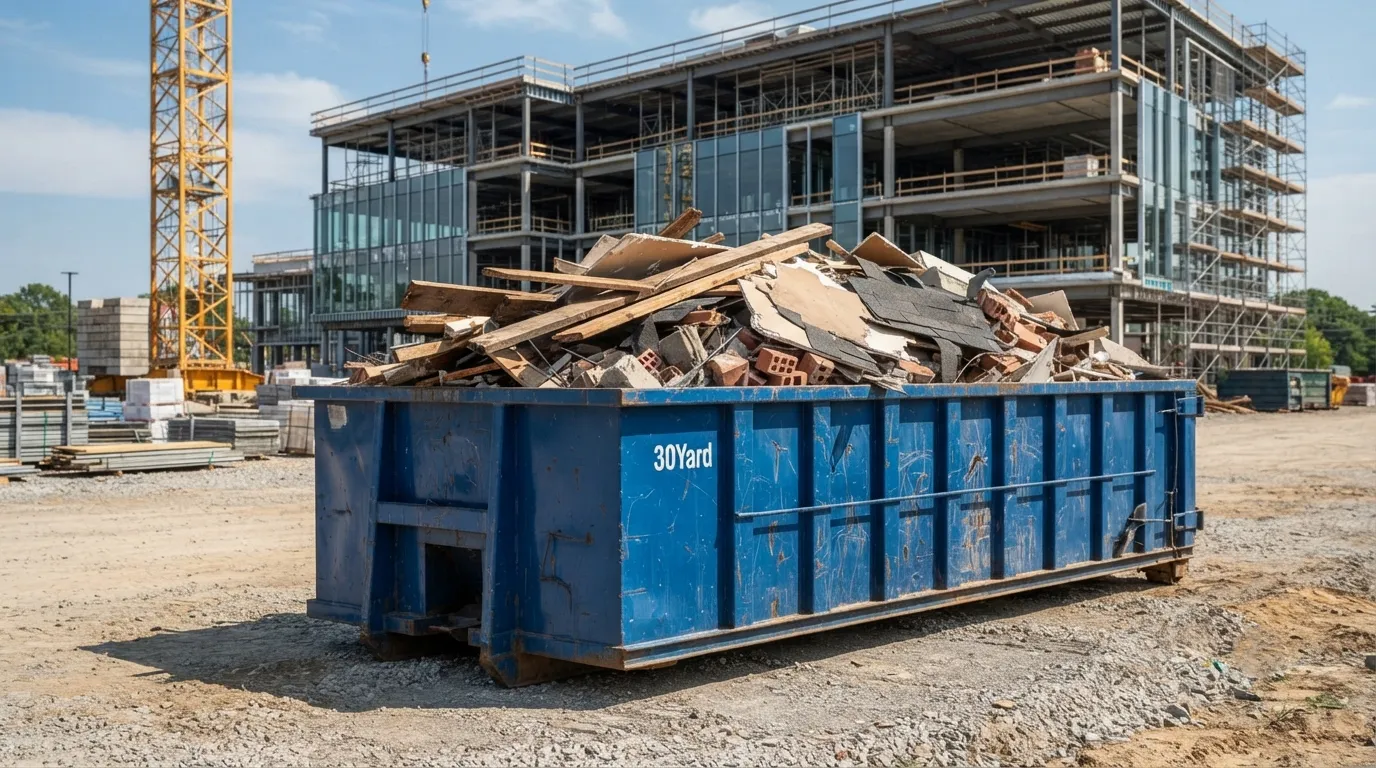
How Many Tons Does a 40 Yard Dumpster Hold?
A 40 yard box is the largest standard size and typically carries a similar weight allowance to the 30, often in the 4 to 5 ton range, because weight limits track axle and road restrictions more than raw volume. That surprises people who assume bigger always means "more tons allowed." It doesn't. Bulky, low-density material like furniture or lumber fills a 40 yard's space long before it approaches the weight cap, while dense debris like tile or masonry can max it out at a fraction of the volume. For construction dumpster rental work in Everett, that distinction decides which size actually saves money. Delivery access matters here too. A roll-off delivery needs about 60 feet of straight clearance behind the truck, which rules out some tight downtown Everett lots and older residential driveways. Confirm clearance before ordering, and check dumpster permit requirements if the container needs to sit in a street or right-of-way rather than on private ground.
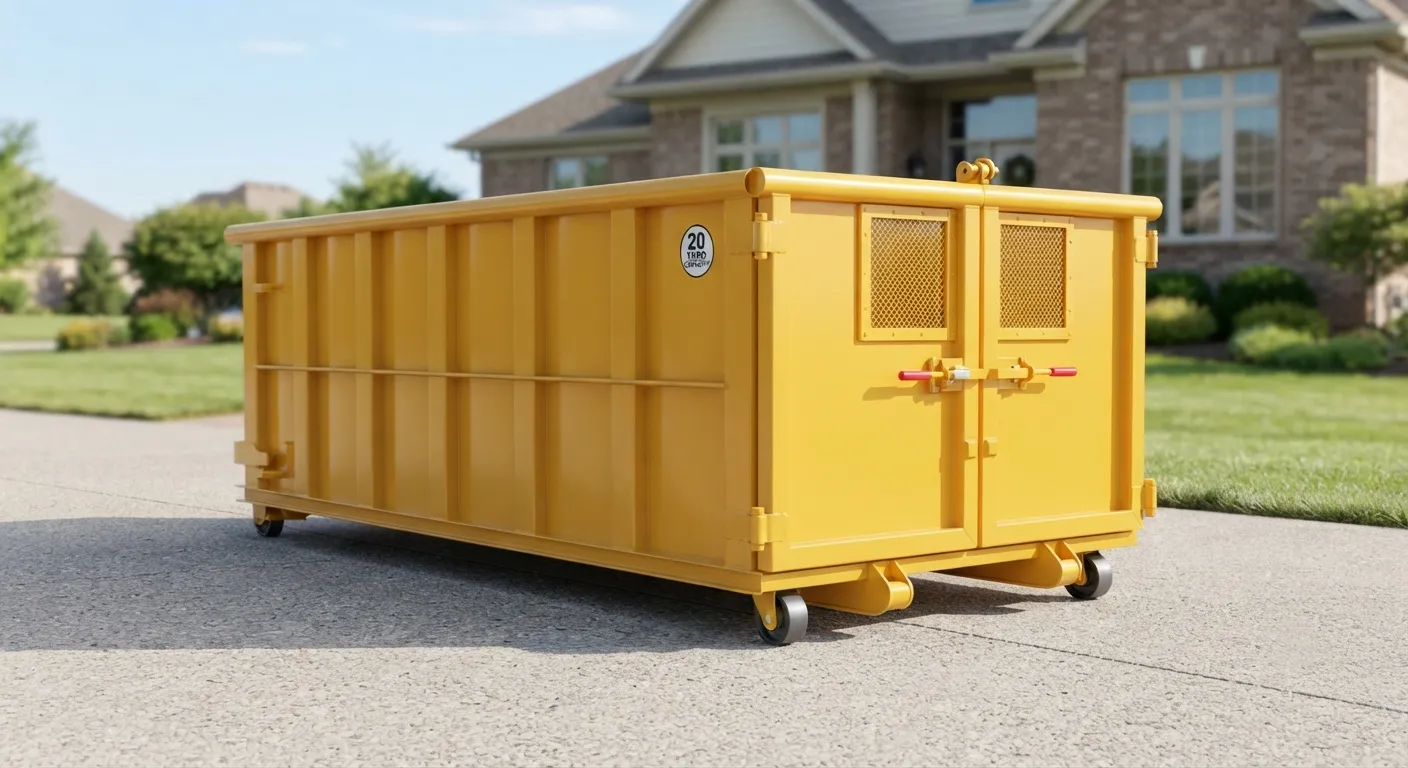
What Happens If I Go Over the Weight Limit?
Going over means an overage fee billed per ton past your contract limit, added to the invoice when the loaded container crosses the scale. It's not a surprise if you plan for it. Dense material is the usual culprit: concrete, dirt, shingles, and wet debris all add tons fast without adding much visible volume. Everett Porta Pros writes the limit on the work order up front, so there's no guessing after pickup. If you're weighing a roll-off dumpster rental against a smaller box plus a second haul, run the numbers both ways first. Customers as far out as Lake Stevens, 6.3 miles northeast, and Marysville, 11.9 miles north, ask this same question on heavy demo jobs, and the answer is usually the same: pick the size for your densest material, not your total volume. Same logic applies whether the job is in Everett proper or out toward Monroe, 15.9 miles southeast.
Weight Limits by Container Size
| size | typical weight allowance | best for |
|---|---|---|
| 10 yard | 2 to 3 tons | small cleanouts, single-room demo |
| 20 yard | around 3 tons | kitchen or roof tear-off |
| 30 yard | around 4 tons | whole-house cleanout, deck demo |
| 40 yard | 4 to 5 tons | large construction, bulky low-density loads |
Frequently asked questions
How much does a 20 yard dumpster weigh empty?
The empty weight (tare weight) varies by manufacturer and steel gauge, so ask your driver at drop-off rather than assuming a number. It's printed on the container in most cases. That figure gets subtracted from the scale ticket to calculate your actual debris weight, which is what your overage fee, if any, is based on.
Does Everett Porta Pros serve areas outside Everett?
Yes. Beyond Everett, the crew regularly delivers to Lake Stevens, Marysville, Monroe, Lynnwood, and Shoreline. Check service areas for the full list, or ask directly when you request a quote since drive time can affect delivery scheduling on tight timelines.
Can I mix construction debris and household junk in one dumpster?
Sometimes, but density is the issue, not the mix itself. Combining heavy debris like tile with bulky household items can hit the weight cap before the box looks full. Review what cannot go in a dumpster first, since some materials aren't allowed regardless of weight.
Do I need a permit for a dumpster in Everett?
It depends on placement. A dumpster on your own driveway or property usually needs nothing extra, but street or right-of-way placement needs confirming with the city. See dumpster permit requirements before ordering if you're unsure where the container will sit.
How do I know which dumpster size fits my project?
Match the size to your heaviest material, not just the volume of stuff. A 10 yard dumpster rental works for light cleanouts; dense debris pushes you toward a 30 or 40 yard regardless of item count. Dumpster sizes and dimensions breaks down measurements to help you decide.
Next step
Get a delivery date
Tell us the address, the dates and the headcount. We size the order and confirm the route.