
How Often Does a Grease Trap Need Pumping?
Interval depends on trap size and how much your kitchen fries, sautes and washes down the drain, and the same logic drives our how many porta potties do i need guidance for job sites sizing sanitation to actual use. The 25 percent rule (fats, oils, grease and solids against liquid depth) is the standard trigger, and once you hit it, waiting only invites a backup during dinner rush. High-volume kitchens in downtown Everett often land on a monthly schedule, while lower-volume spots stretch to quarterly. This isn't so different from residential septic tank pumping, where a typical tank gets serviced every 3 to 5 years based on household size, though grease traps work on a much shorter clock because they catch a constant grease stream, not just wastewater. If you're not sure where your kitchen falls, ask about a bench check on your next septic pumping service visit and we'll look at both. Restaurants near Lake Stevens, about 6.3 miles northeast of Everett, run the same math against their covers-per-day count. A trap that's never been checked is the one that overflows first, the same way a site that skips a plan ends up leaning on emergency porta potty rental instead.
What Does Grease Trap Pumping Cost in Everett?
Cost depends on trap size, grease volume and how often you need a truck out. Straight comparisons against septic work help set expectations, since both involve a vacuum truck, a technician and a same-day window.
| service | duration | low | typical | high |
|---|---|---|---|---|
| septic pumping | day | $150 | $250 | $300 |
| septic pumping | weekend | $50 | $100 | $150 |
Grease trap jobs price closer to the septic day rate above, since crew time and disposal drive the bill more than tank size alone, much like porta potty rental cost tracks service frequency more than unit size. Commercial accounts that lock in a recurring schedule usually pay less per visit than a one-off emergency call, similar to how a monthly porta potty rental beats booking single days back to back. If your kitchen is budgeting sanitation across the board, our septic tank pumping cost page breaks down the same day-rate logic, and the request a quote form gets you a number specific to your trap.
Why Does Grease Trap Pumping Matter for My Business?
A trap that overflows sends grease straight into the line, and Everett kitchens that skip service end up with slow drains, bad odor and a health inspector visit nobody wants. OSHA's 1926.51(a)(1) requires potable water at every workplace, and a grease-clogged kitchen line puts that supply at risk fast, the same standard that shapes our handwashing requirements page for job sites. If your crew handles degreasers or caustic cleaners during a trap service, OSHA 1926.51(f)(1) calls for washing facilities where degreasers or caustic coatings are in use, and a handwashing station rental or portable sink rental covers that during a pump-out. Under 29 CFR 1910.141(d)(2), washing facilities need soap and towels or a hand dryer, not just sanitizer, so keep that in mind if your crew is on-site during service. Commercial grease trap pumping isn't a once-and-done job. It's maintenance that protects your plumbing, your health permit and your dining room from a Saturday night shutdown, the same way septic tank warning signs catch a residential problem before it becomes a flood.
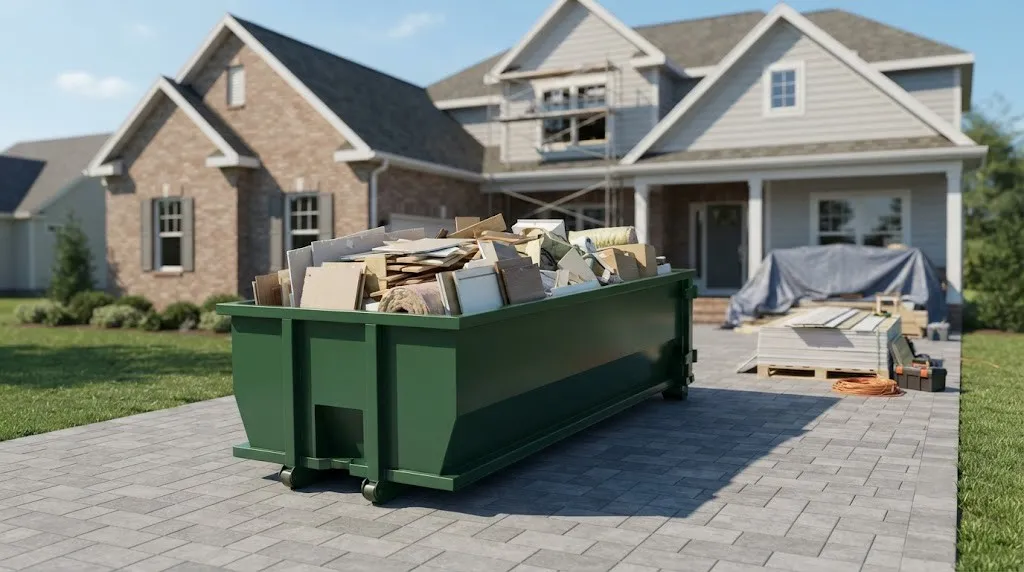
Emergency grease trap pumping is available when a trap backs up without warning, and our emergency septic service line handles both septic and grease calls on the same dispatch. If you're setting up a new kitchen or renovating, pair the trap schedule with construction site services planning, add a roll-off dumpster rental for demo debris, and check dumpster permit requirements before the container drops, so sanitation isn't an afterthought once the doors open.
Frequently asked questions
How do I know if my grease trap needs pumping sooner than scheduled?
Slow drains, sewage odor near the kitchen sink, or grease visible at the trap's inlet all mean it's time to call. Waiting past the 25 percent mark risks a backup mid-shift. If you're unsure, a technician can check the trap during a routine visit and tell you exactly where it stands.
What size grease trap do most Everett restaurants use?
Size depends on kitchen volume, seating count and how much fryer and wok work happens daily. There's no single size that fits every kitchen. A technician measures flow and grease load before recommending trap capacity, similar to how holding tank rental sizing works for temporary setups, and the same site-by-site approach applies when we size a portable restroom rental for a crew.
Can I schedule grease trap pumping around my business hours?
Yes. Most commercial accounts schedule pumping before opening or after close to avoid disrupting service. Recurring accounts get a set day each month, so it becomes routine rather than a scramble. Emergency calls get dispatched as fast as the schedule allows, the same dispatch priority we give an emergency porta potty rental call.
Does grease trap pumping smell during service?
There's some odor while the trap is open and being pumped, but it clears fast once the lid goes back on. Technicians work efficiently to minimize the smell reaching your dining room or open kitchen, especially during service hours, the same care covered on our how often are porta potties cleaned page.
What happens to the grease after it's pumped out?
Grease and waste haul offsite for proper disposal, handled the same way septic waste is managed after a residential pump-out. Everett Porta Pros follows the same disposal standards across septic, grease trap and septic tank cleaning accounts citywide, and the service areas page lists every neighborhood we cover.
Next step
Get a delivery date
Tell us the address, the dates and the headcount. We size the order and confirm the route.