
How many units do I actually need?
Start with headcount, not guesswork. OSHA 1926.51(c)(1) sets construction ratios: one toilet for 20 workers or fewer, then one toilet seat and one urinal per 40 workers once you pass 20, and per 50 once you're at 200 or more. Farms with hand-labor crews fall under a different rule, OSHA 1928.110, which calls for one facility per 20 workers within a quarter mile walk, worth knowing if you're staffing farm and agricultural restrooms around Everett. Events run on a different math entirely, driven by hours and alcohol service more than headcount. If you're not sure which bucket you're in, the how many porta potties do I need guide walks through both, and the full OSHA portable toilet requirements page breaks down the ratio table further. For a straight construction job, a standard porta potty rental covers most crews. For weddings and permitted events, step up to a deluxe flushable porta potty or a full restroom trailer rental depending on guest count.
What does a unit need to sit on?
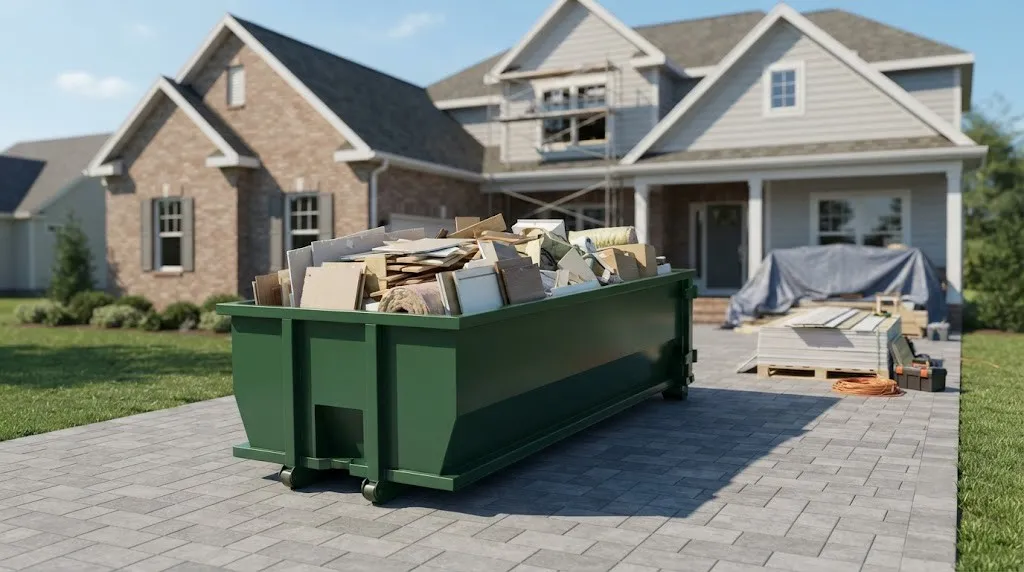
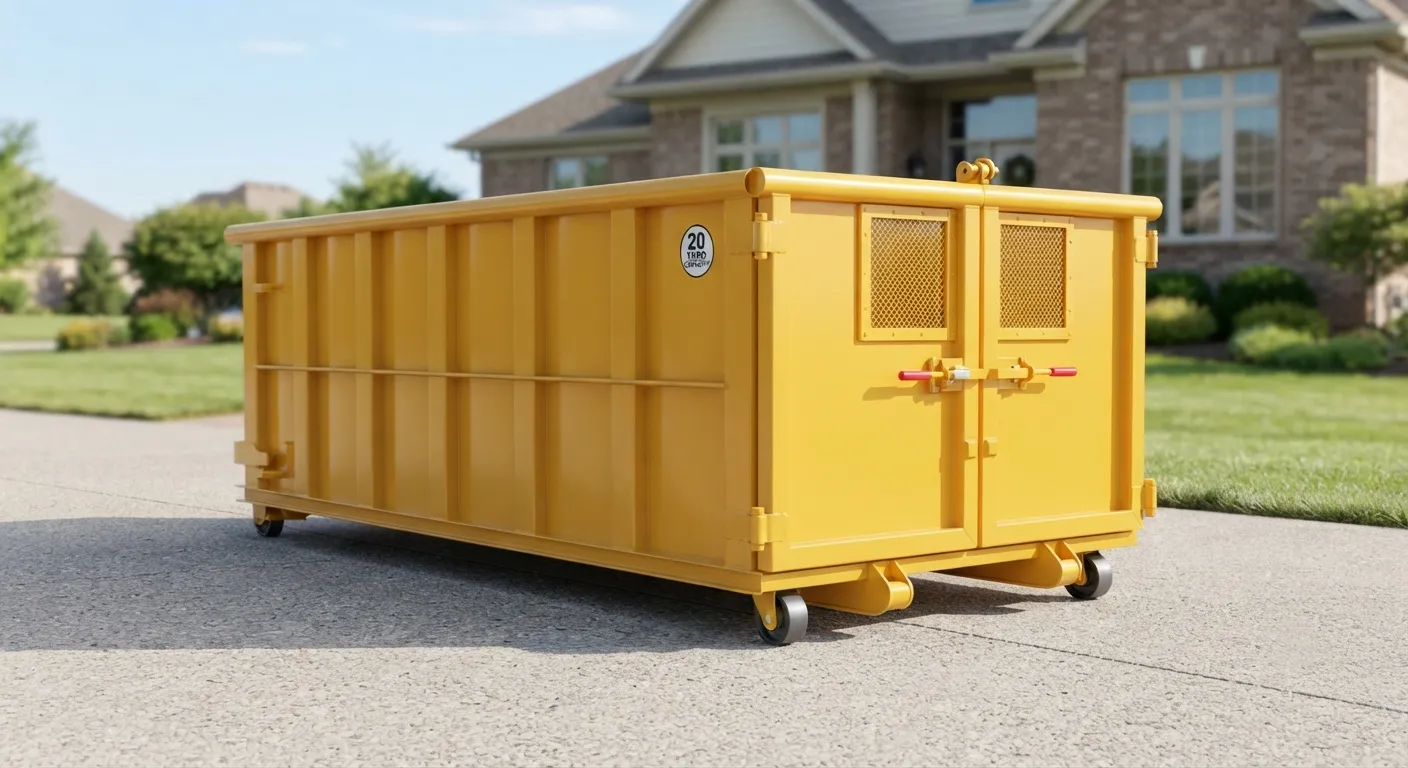
Flat, stable ground, full stop. ADA Standards section 302.1 requires floor and ground surfaces to be stable, firm and slip resistant, and that matters even if you're not required to provide an ADA unit, because a standard unit on soft mud tips. A standard unit runs about 44 by 48 inches on the ground and stands roughly 92 inches tall, so measure your spot before the truck shows up. If the job needs an accessible unit, ADA Standards section 213.2 requires at least 5 percent of clustered single-user units to be accessible, and never fewer than one. That unit needs a 60 inch turning circle per section 304.3.1 and a 32 inch clear door opening under section 404.2.3, details covered on the ADA accessible porta potty page. Roll-off dumpsters need more room than a toilet does: plan on about 60 feet of straight clearance behind the truck for delivery, which matters if you're staging both a roll-off dumpster rental and toilets on the same tight Everett lot. Check dumpster sizes and dimensions before you commit to a spot.
Do I need a permit for placement in Everett?
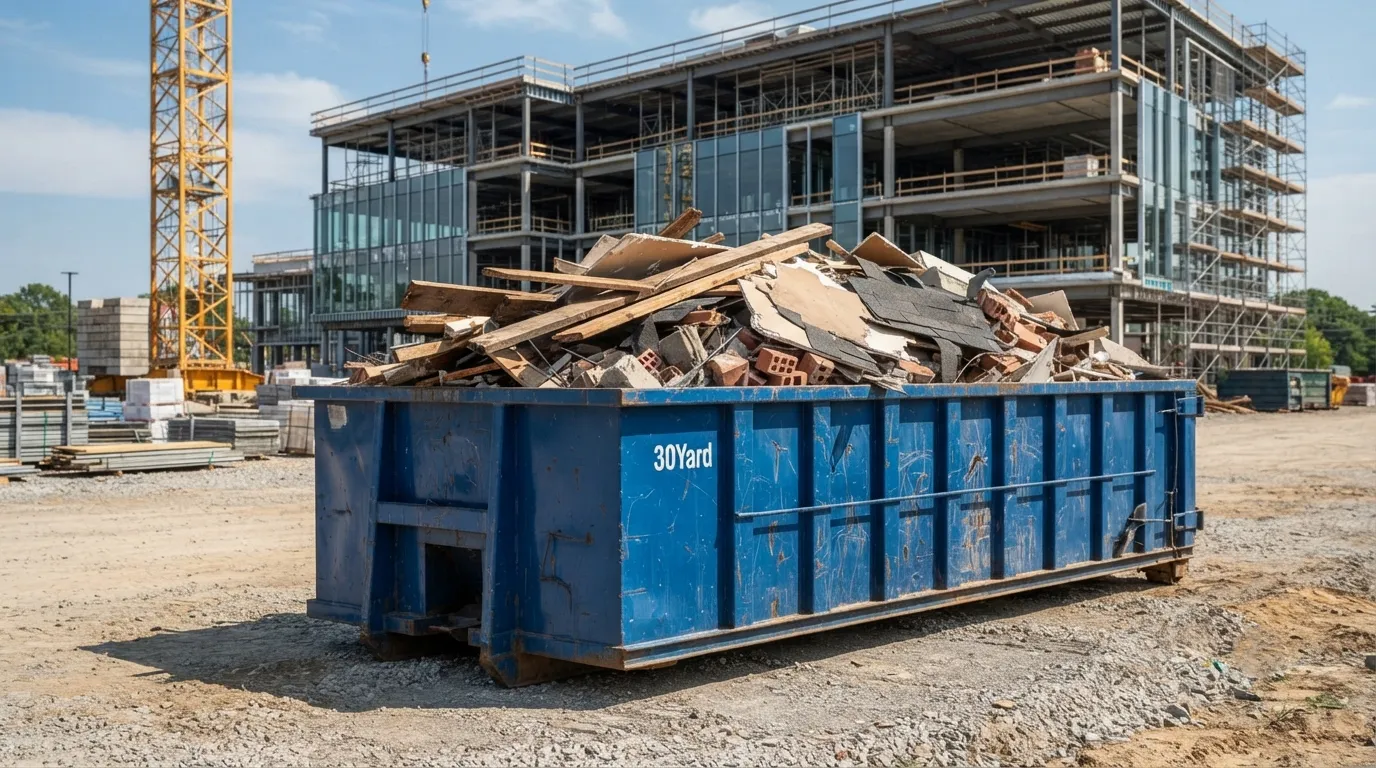
Maybe, and it depends on where the unit sits. If you're placing anything in the public right of way, a sidewalk strip or a street-facing curb zone, that placement needs confirming with the City of Everett before delivery day. We're not going to guess at a code number here, because getting it wrong costs you a red tag on site. The porta potty permit requirements page covers what to ask the city, and dumpster permit requirements does the same for roll-off placement. If your job sits entirely on private property, set back from the street, permitting is usually simpler, but confirm it anyway. Same goes for temporary fence rental around a job site: fencing that crosses a public sidewalk is a different conversation with the city than fencing that stays inside your lot line. Don't assume; call and ask, and keep that answer with your paperwork.
What else should be on the checklist?
Water, handwashing, and cleaning schedule round it out. OSHA 1926.51(a)(1) requires an adequate supply of potable water at any place of employment, and if your crew is spraying paint, coatings, herbicides or insecticides, OSHA 1926.51(f)(1) requires washing facilities specifically for that contaminant exposure. General industry sites fall under 29 CFR 1910.141(d)(2), which requires soap and towels or a hand-drying device at wash stations; hand sanitizer alone doesn't satisfy it. A handwashing station rental or portable sink rental covers both rules, and the handwashing requirements page lays out which rule applies to your job type. Service interval matters too: ANSI/PSAI Z4.3 sets a baseline of one service visit per week for up to 10 users over a 40 hour week, so a bigger crew or longer hours needs more frequent pumping, a topic covered in how often are porta potties cleaned. If you're running a septic-fed job site instead of rentals, a typical residential tank gets pumped every 3 to 5 years depending on size and household load, details on the how often to pump a septic tank page.
| unit | day | week | month |
|---|---|---|---|
| standard | $100-$350 | $130-$500 | $125-$325 |
| ada | $200-$400 | - | - |
| deluxe | $85-$1,200 | $150-$290 | - |
Delivery fees run $100 to $500 for a single day and $50 to $150 for a week-long job, so check the porta potty rental per day page against the monthly porta potty rental option before you lock in a duration. Full cost breakdowns live on porta potty rental cost.
Frequently asked questions
How far in advance should I book in Everett?
Two to three weeks for standard construction or event jobs gives Everett Porta Pros room to route delivery trucks and confirm any city right-of-way question. Same-day service is possible for urgent needs through emergency porta potty rental, but selection narrows fast.
Do I need an ADA unit if I only have a few guests?
Check ADA Standards section 213.2 first: any cluster of single-user units needs at least one accessible unit, regardless of total guest count. Small weddings and backyard events in Everett still trigger this if units are grouped together.
Can I put a porta potty on the street in front of my house?
Not without checking first. Anything placed in the public right of way needs confirmation with the City of Everett before delivery. Private driveways and yards usually skip that step, but verify before the truck arrives.
What's the difference between a standard and deluxe unit?
A standard unit has a 60 to 70 gallon holding tank and no sink. A deluxe unit adds handwashing and better finish for weddings or office crews. Compare both on the portable restroom rental page before booking.
How much clearance does a roll-off truck need?
Plan on 60 feet of straight clearance behind the truck for a roll-off delivery. Tight Everett lots and alleys should be measured ahead of time, especially if a construction dumpster rental is arriving the same day as your toilets.
Next step
Get a delivery date
Tell us the address, the dates and the headcount. We size the order and confirm the route.